
Introduction to CEX vs DEX
Crypto exchanges are online platforms where people buy and sell digital coins.
These platforms help you swap one coin for another, or even for regular money like fiat currency. Behind the scenes, they use blockchain technology to keep things secure and fast. There are two main types of exchanges: centralized and decentralized. The cex vs dex comparison shows how these two types work very differently in practice.
Centralized exchanges are run by companies, while decentralized ones run on code and community. Centralized and decentralized systems both aim to make trading simple, but they work in different ways. Understanding the basics of cex vs dex helps you see those differences clearly. If you’re starting with crypto, learning how each type works is key. That way, you can trade with confidence and choose what suits you best.
What is a centralized exchange (CEX)?
A Centralized exchange is run by a company that manages your trades and stores your coins. Centralized exchanges are like banks for crypto. You trust them to hold your money and help you trade. Centralized exchanges often support fiat currency, so you can buy crypto with regular money. They are easy to use, which makes them popular with beginners. However, the difference between centralized exchange vs decentralized exchange matters. Centralized and decentralized setups offer very different experiences, and it’s good to know both. Crypto exchanges often start users on a centralized exchange because it feels more familiar.
What is a decentralized exchange (DEX)?
What is a decentralized exchange? It’s a place to trade without a company in charge. Decentralized exchanges run on code, not people. You stay in control of your crypto and trade straight from your wallet. Decentralized exchanges don’t hold your funds or ask for sign-ups. They also don’t deal with fiat currency. This makes them different from centralized platforms. Crypto exchanges now include both styles, but decentralized exchanges are key to DeFi exchanges. Centralized and decentralized systems each have pros and cons, so it’s smart to explore both.
We only recommend platforms we trust, that’s why we use Bybit, Kraken, and Mexc ourselves. You can create an account on one of these trusted exchanges and unlock a welcome bonus to kickstart your crypto journey.
CEX vs DEX: What’s the Difference?

Understanding how CEX vs DEX works helps you make better choices. Centralized exchanges are simple, user-friendly, and fast. Decentralized exchanges are more private and give you full control. Both are parts of the crypto world, but they suit different goals. Crypto exchanges today offer many options, and each user has their own needs. Therefore, knowing the cex and dex difference can help you stay safe and confident. Centralized and decentralized models can feel confusing at first. However, once you see how they work, it becomes clear which one fits your style. As a result, you trade smarter.
The basics of CEX vs DEX difference
The cex and dex difference starts with who controls the exchange. Centralized exchanges are company-run, while decentralized exchanges use code. Crypto exchanges can feel similar, but they work in different ways. CEX vs DEX isn’t just a tech topic. It affects how you trade. Centralized and decentralized models have clear strengths and limits.
Why beginners should understand the difference between CEX vs DEX
The difference between cex and dex matters for your safety. A Centralized exchange might feel easy, but you trust it with your money. Decentralized exchanges let you keep control. However, they also need more care. Crypto exchanges can seem the same at first. But learning how CEX vs DEX works helps you choose wisely.
How Centralized Exchanges Work in the CEX vs DEX Landscape
Centralized exchanges act like digital banks for crypto. You sign up, send money, and start trading. These platforms match your orders with other users and handle the rest for you. They support fiat currency, making it easy to swap dollars for coins. Centralized exchanges offer many trading pairs and high trading volume. As a result, you can buy and sell fast. One key reason people like them is higher liquidity. This means you don’t have to wait long to find a match. Crypto exchanges often feel smoother here because one company handles the whole process. Still, in the centralized vs decentralized cryptocurrency exchange debate, control is the real difference. Centralized and decentralized systems take very different paths, and both matter.
CEX crypto meaning and features
The cex crypto meaning is simple: it’s a platform where a company helps you trade crypto. Centralized exchanges manage your coins and actions behind the scenes. A centralized exchange supports fiat currency and offers a wide range of trading pairs. This setup also creates higher liquidity. Centralized exchanges often win in speed because of their high trading volume. Therefore, they attract many new users. Crypto exchanges like these feel more familiar to those used to online banking. In the centralized vs decentralized cryptocurrency exchange discussion, this comfort plays a big role.
Pros and cons of centralized exchanges
Centralized exchanges have benefits, but also risks. On the plus side, they provide liquidity and handle large trading volume with ease. A centralized exchange feels simple to use and offers strong support. However, you don’t control your private keys. If the exchange fails, your funds might be at risk. Centralized exchanges also charge trading fees, which can add up. Still, many people choose them because of ease and speed. In the centralized exchanges vs decentralized exchanges debate, both sides have trade-offs. Centralized and decentralized choices depend on your needs and comfort level.
We only recommend platforms we trust, that’s why we use Bybit, Kraken, and Mexc ourselves. You can create an account on one of these trusted exchanges and unlock a welcome bonus to kickstart your crypto journey.
How Decentralized Exchanges Work in the CEX vs DEX Debate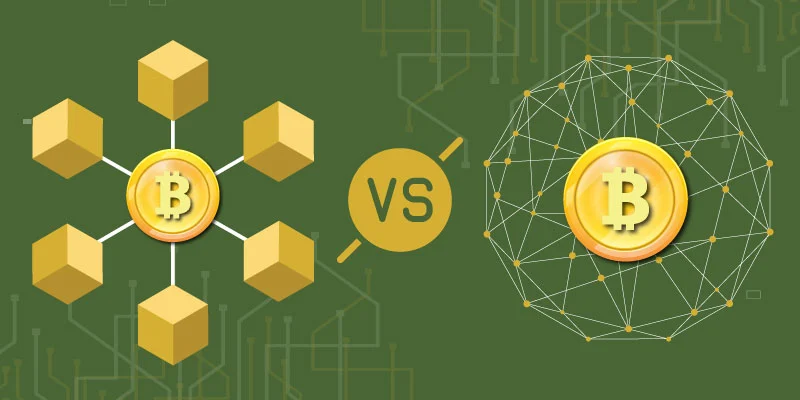
Decentralized exchanges run on blockchain technology and use code, not companies. You trade from your wallet, with no sign-up needed. These platforms skip fiat currency and only work with crypto. Decentralized exchanges offer trading pairs, just like other platforms. However, they never hold your coins. Crypto exchanges like these are key to DeFi exchanges. As a result, you stay in full control. What is a decentralized exchange in simple terms? It’s a place where code replaces the middleman. Decentralized exchange vs centralized exchange matters because one gives control, and the other gives ease.
What is a decentralized exchange in simple terms?
A decentralized exchange is like a robot-run market where no company takes control. Decentralized exchanges use code to match trades from wallet to wallet. This means no one touches your funds. You keep your coins and your keys. These platforms don’t use fiat currency and only deal in crypto. Crypto exchanges like this support trading pairs but avoid sign-ups. DeFi exchanges work this way to stay open and fair. Blockchain technology powers all of it. In the decentralized exchange vs centralized exchange debate, control is the biggest difference.
Role of smart contracts and private keys in DEXs
Decentralized exchanges depend on smart contracts to work. These smart contracts handle trades without people or companies. You use your private keys to sign and send trades. As a result, only you can move your funds. Private keys give you full power, but also full risk. Decentralized exchanges don’t store anything for you. DeFi exchanges rely on liquidity providers to provide liquidity. Without them, trades won’t happen. In the decentralized vs centralized crypto world, this setup is unique. It’s safer in some ways, but it needs more care and attention.
CEX vs DEX: Security and Risk
Crypto trading always comes with risk, but not all platforms handle security the same way. Centralized vs decentralized crypto exchanges have different systems to protect users. A Centralized exchange stores your private keys and guards your assets. However, if the platform gets hacked, you might lose access. Decentralized exchanges don’t hold your private keys at all. Instead, you stay in full control. This setup limits outside threats. DeFi exchanges use smart contracts as part of their security measures. As a result, your safety depends more on code and less on people. CEX vs DEX security often comes down to who controls your funds. Each choice has pros and cons.
CEX vs DEX: Security Measures in Centralized vs Decentralized Crypto Exchanges
Security works differently across centralized vs decentralized crypto exchanges. A Centralized exchange uses passwords and logins but holds your private keys. Decentralized exchanges skip this and give control to you. DeFi exchanges use smart contracts and wallet connections for safety. These are their key security measures. Because of this, your private keys stay in your hands. CEX vs DEX security depends on trust in people versus trust in code. Decentralized exchanges reduce human risk but need careful use.
What does decentralization mean in crypto security?
What does decentralization mean in crypto? It means no central group holds your funds or data. Decentralized exchanges let you trade from your wallet. This gives you full control and protects your private keys. Crypto exchanges that are decentralized use code instead of people. As a result, fewer risks come from hacks or inside errors. Still, you must protect your own wallet. Centralized and decentralized setups handle safety very differently. Security measures shift from company tools to user actions.
If you want to keep learning, our free e-book My Crypto Success is the perfect next step. You can download it today at www.mycryptosuccess.com and continue building your crypto knowledge with confidence.
Trading Experience: CEX vs DEX for Beginners
Beginners care about ease and speed. That’s where the trading experience really matters. In the centralized vs decentralized exchanges debate, it often comes down to simplicity. Centralized exchanges feel smooth and fast. They show all trading pairs and support high trading volume. This creates higher liquidity, which helps trades move quickly. Decentralized exchanges use liquidity providers and rely on code. As a result, they can be slower but offer more privacy. DeFi exchanges work best if you already know the steps. Crypto exchanges now mix both styles, but each has its own feel. If you’re just starting, knowing how these platforms work can save you time and effort.
Liquidity, trading volume, and trading pairs explained
Centralized vs decentralized exchanges offer very different trade experiences. Centralized exchanges show more trading pairs and support higher trading volume. This results in faster trades and smoother action. Higher liquidity on these platforms means buyers and sellers connect more easily. Decentralized exchanges, on the other hand, depend on liquidity providers. They help provide liquidity for trades on DeFi exchanges. Still, trading volume might be lower, which can slow things down. Crypto exchanges use different tools, and each setup affects the trade.
CEX vs DEX: Which Platform Has Lower Trading Fees and Gas Fees?
In the centralized vs decentralized exchange crypto world, fees work in different ways. A Centralized exchange often charges trading fees for every order. These fees are usually fixed and easy to see. Decentralized exchanges run on blockchain, so you also pay gas fees. These can rise during busy times. However, some DeFi exchanges offer lower trading fees for certain trades. Crypto exchanges with higher liquidity may reduce costs by matching trades faster. Choosing between them means weighing lower trading fees against possible gas fees.
RVcrypto’s Take on CEX vs DEX
At RVcrypto, we care deeply about security, control, and long-term thinking. The debate between centralized vs decentralized crypto isn’t just technical—it’s personal. A Centralized exchange feels smooth and safe for many beginners. Decentralized exchanges give more power to the user. That matters, especially when trust is hard to earn. Crypto exchanges should work for you, not the other way around. In the CEX vs DEX world, both sides bring something valuable. We believe education helps you choose what fits your needs. Some trades need speed. Others demand control. Both can help you grow when used wisely.
Our philosophy on centralized vs decentralized crypto
RVcrypto believes in balance. In the centralized vs decentralized crypto space, both styles matter. A Centralized exchange is great for fast trades and ease of use. However, Decentralized exchanges give users true control. Many crypto exchanges blend both models, but knowing the core difference helps. CEX vs DEX isn’t about one winner. It’s about using the right tool. We support Decentralized exchanges when control is key and centralized ones when simplicity helps.
When we prefer a DEX, and when we choose a CEX
We often pick a DEX when we want full control over trades. Decentralized exchanges protect our private keys and run on smart contracts. However, we use Centralized exchanges when time or trading volume matters. The difference between dex and cex shows in every step. Gas fees on DEXs can be high, but some offer lower trading fees. In contrast, CEXs may charge trading fees but skip gas fees. Both help in different cases. We always check liquidity and safety before we choose.
Final Thoughts on CEX vs DEX
Choosing your platform shapes your crypto journey. Each crypto exchange centralized vs decentralized has clear pros and cons. So, what is the difference between cex and dex? Centralized exchanges are fast, beginner-friendly, and support fiat currency. Decentralized exchanges give full control and privacy. The cex dex difference starts with trust. Do you trust a platform or your own tools? The difference between centralized and decentralized setups affects fees, speed, and safety. CEX vs DEX is not just about tech. It’s about goals.
Gas fees often show up in DEX trades, while CEXs may charge trading fees instead. Both types of crypto exchanges now support strong security measures. Some use fiat currency, others don’t. DeFi exchanges rely on blockchain and smart contracts. Centralized and decentralized options will keep growing. Therefore, pick what feels right for your level. Start simple, learn fast, and grow your skills.
Want to learn more? Visit our crypto blog overview for more beginner-friendly guides. On this page, you’ll find everything you need to know when starting out with crypto, clearly explained and easy to follow.